
Confused About Your Season? 3 Easy Signs to Tell If It's Right
By Megan Haynes ·

One of the most common questions I get—whether in DMs, emails, or comments—is this:
"Megan, I've had multiple color analyses, and the results don't match. The 4-season said I'm an Autumn, another said Dark Winter. How can I know what's correct?"
Or even more puzzling: "I've had three virtual analyses, and they all said different things: Cool Summer, Light Spring, and Soft Autumn. Help!"
If this sounds familiar, you're not alone. I've been there myself. My first color analysis placed me as an Autumn, my second (a virtual one) as a Soft Autumn, but eventually I was reassessed as a Light Spring within the 12 Seasons. Honestly? I wasn't convinced at first. So I took matters into my own hands and did some testing at home to see the difference for myself. And when I finally saw it clearly, everything clicked—I knew I had found my colors in Light Spring. That experience inspired me to dive deep into color analysis.
Why is this all happening? Simply put, the growing popularity of color analysis—whether it's virtual, 4-season, 12-season, or even 16-season—has brought a wide variety of approaches and interpretations into the mix. Every analyst brings their own training, tools, drapes, and perspective.
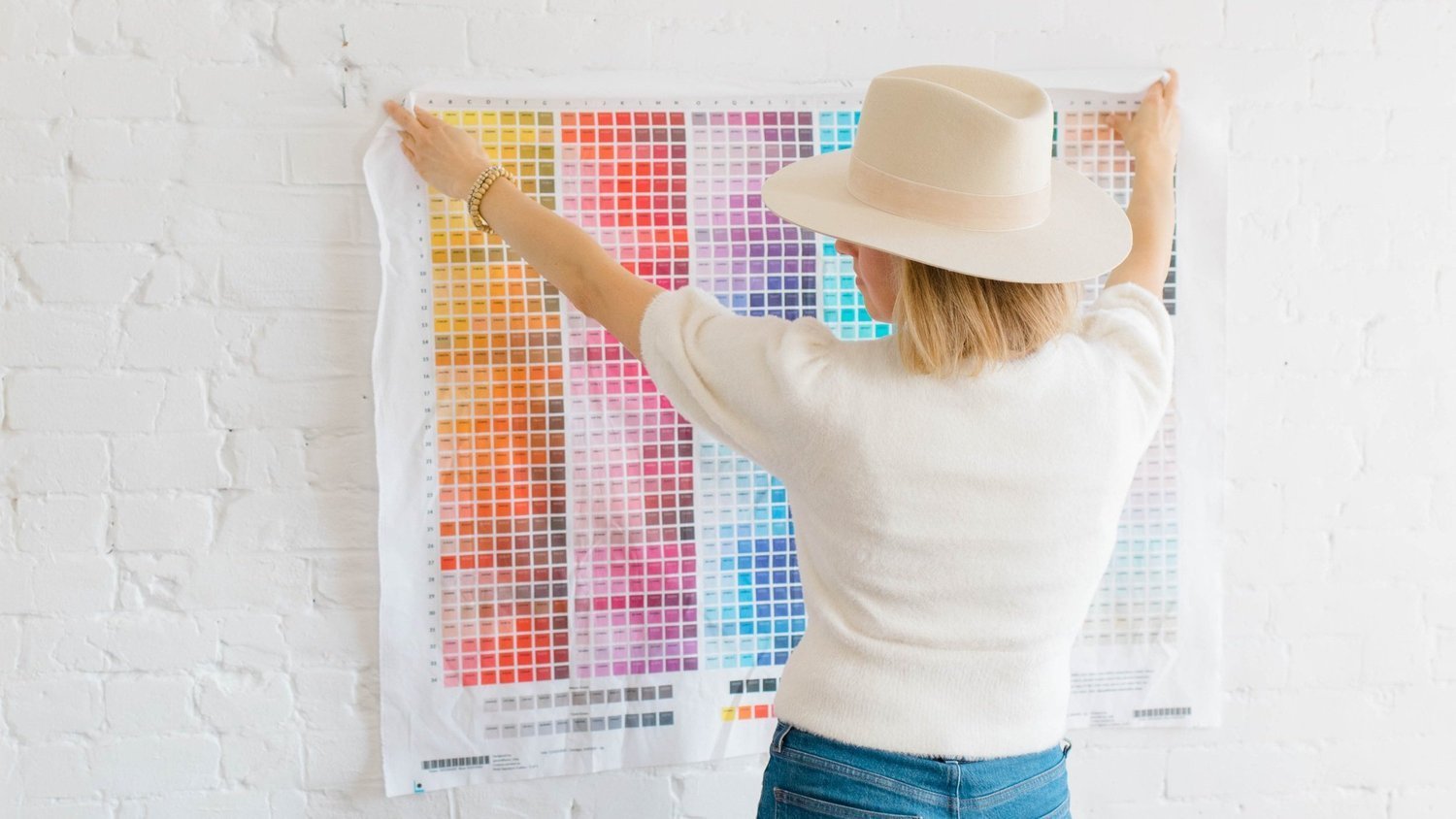
Let me be clear: color analysis is absolutely real. It's both a science and an art—a skill that takes a trained eye, a deep understanding of color theory, and careful attention to the nuances of each individual. If you're feeling stuck or overwhelmed by conflicting results, keep reading—I'm here to help you find clarity and trust your instincts along the way.
"Color analysis can be straightforward, but it takes years and years to master. There is an intuition that you can only gain through repetitive practice of your craft." — Megan, Colorbook
1. Do you regularly get compliments in your colors?
When you're in the right color season, people notice. They're not just complimenting your outfit—they're noticing you.
For example, one of my Bright Spring clients shared how, on a normal day, four strangers went out of their way to compliment her sweater and how radiant she looked. It wasn't just the sweater—it was the power of wearing her best colors.
On the flip side, another client spent three long years wearing Winter colors after being misdiagnosed as a Winter. Compliments? Practically nonexistent. Once we re-draped her in the 12 Seasons and discovered she was a Warm (True) Spring, everything changed. She told me she received more compliments in one day wearing a warm spring green than she had in three years of wearing Winter colors.
Homework: Ask yourself, do you often receive compliments when wearing your colors?
2. Do you love yourself in photos wearing your colors?
Photos don't lie—they're like a mirror for your color harmony. If you're wearing colors from the wrong palette, they can make your skin look dull, washed out, or even off. But when you're in your correct season? Your skin looks radiant, your eyes pop, and your natural beauty takes center stage.
"When you're wearing the right colors, makeup becomes almost optional—it's that powerful. The right colors naturally enhance your features and brighten your face without any extra effort."
One tip: make sure you're looking at unfiltered photos. Filters and portrait mode can tweak colors and lighting, making it hard to get an accurate sense of how your colors are working for you.
Homework: Take a look at your photos—do you love the way you look when you're wearing your colors?
3. Do you match the patterns of your color season?
Based on my training and experience, this is one of the most reliable ways to confirm, question, or narrow down your season.
Every season has distinct patterns in personal coloring—your natural hair, eyes, and skin undertones all tell a story. For example, my Light Summer clients often share similar characteristics—a radiant "lightness" that ties their overall look together.
If you've been coloring your hair for years and aren't sure what your natural hair color is, no worries. Dig up an old photo of yourself from your 20s with your natural hair color and use that as your reference point.
For example, let's break it down for autumn:
- Soft Autumn: Soft, warm features with a gentle blend—hair, skin, and eyes are all softly blended.
- Warm Autumn: Warm undertones with medium contrast between hair and skin.
- Dark Autumn: Rich, deep coloring with much darker hair.
Homework: Take a moment to scroll through the examples on the season pages. Study the photos and ask yourself: do you see yourself in these examples?

Still unsure? Don't be afraid to question your results
If something feels off, don't hesitate to reach out to your color analyst with your questions or concerns—it's always worth the conversation. A great analyst should be open to revisiting your results and, if necessary, offering a re-drape (ideally at no additional cost). Why? Because it's in everyone's best interest to ensure your season is spot on.
- Wrong palette = much fewer compliments and missed opportunities.
- Perfect palette = a lifetime of confidence, compliments, and word-of-mouth referrals.
Getting it right matters—for you and for the analyst's reputation. In my early years, I had to re-drape clients multiple times to ensure we got it right. Being honest and willing to revisit those results built trust and strengthened my relationships with clients.
Final thoughts
Finding your true season can be a wild and exciting journey, but it's one that's absolutely worth taking. If you're feeling unsure, don't hesitate to ask questions, explore, and dive into your research. Most importantly, don't settle until your colors feel authentically you.

About the author: Megan Haynes
My passion for color runs deep, and for the past six years I've been fully immersed in learning everything I can about color theory and color analysis. After completing my 12 Seasons Training with Kerry Jones of Indigo Tones, I've honed the art of finding the perfect palette for my clients, driven by a commitment to both accuracy and inclusivity. It's been an honor to work with over 700 clients in-person in my studio.